The Walls Stand Upright at Kāneiolouma
"There's more to learn," said Kumu Flores at the project's close. "We got it started. One pōhaku closer to restoration. E kū ana ka paia — the walls shall stand upright."
Mahalo to Historic Hawaiʻi Foundation
After eighteen months of training, restoration, and rebuilding until the work was pono, the Uhau Humu Pōhaku Reconstruction Project supported by a $50,000 grant from Historic Hawaiʻi Foundation is complete.
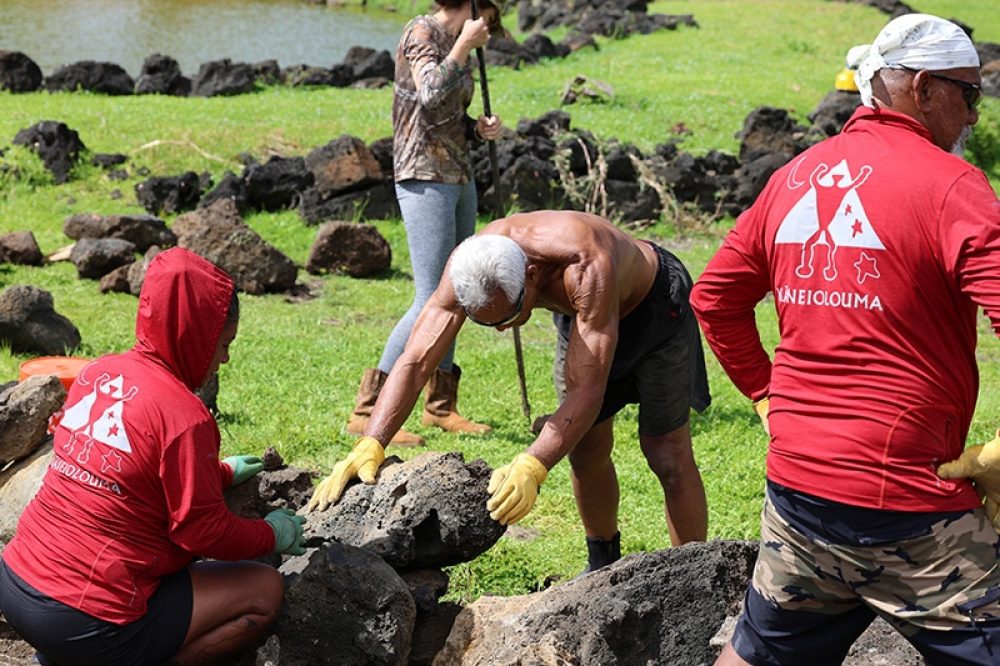
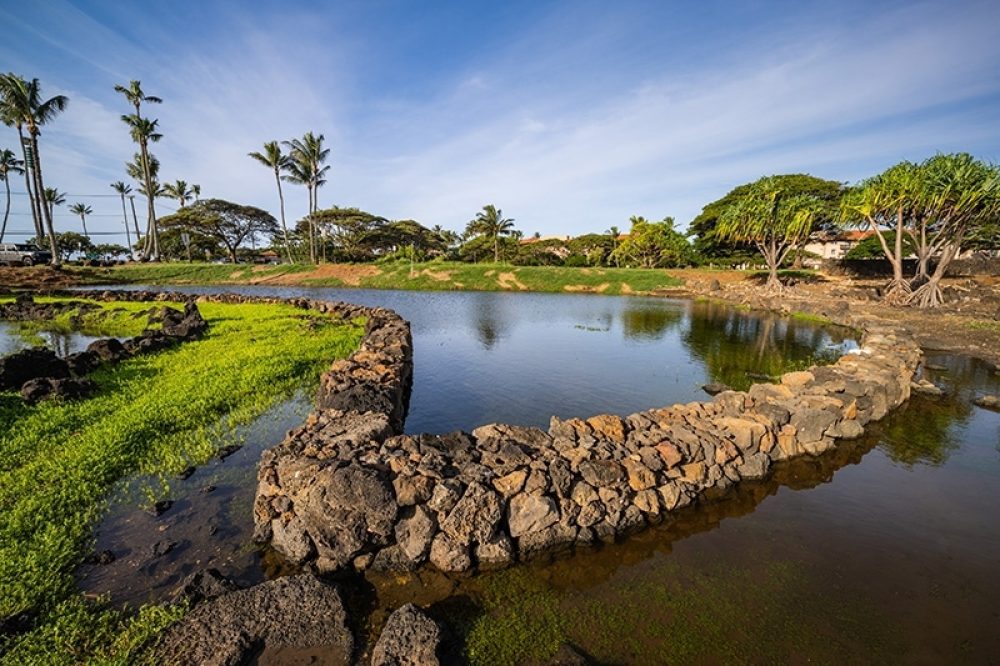
After eighteen months of training, restoration, and rebuilding until the work was pono, the Uhau Humu Pōhaku Reconstruction Project is complete. Approximately 410 linear feet of the ancient inner walls of the Kāneiolouma Heiau Complex — set by Kanaka Maoli hands some six hundred years ago — once again stand upright in the heart of Poʻipū, restored through the traditional art of uhau humu pōhaku, Hawaiian dry-stack masonry. The project was made possible by a $50,000 grant from Historic Hawaiʻi Foundation's Native Hawaiian Organization Preservation Stewardship Training Program, and it marks the first true cultural restoration work within the interior of the complex.
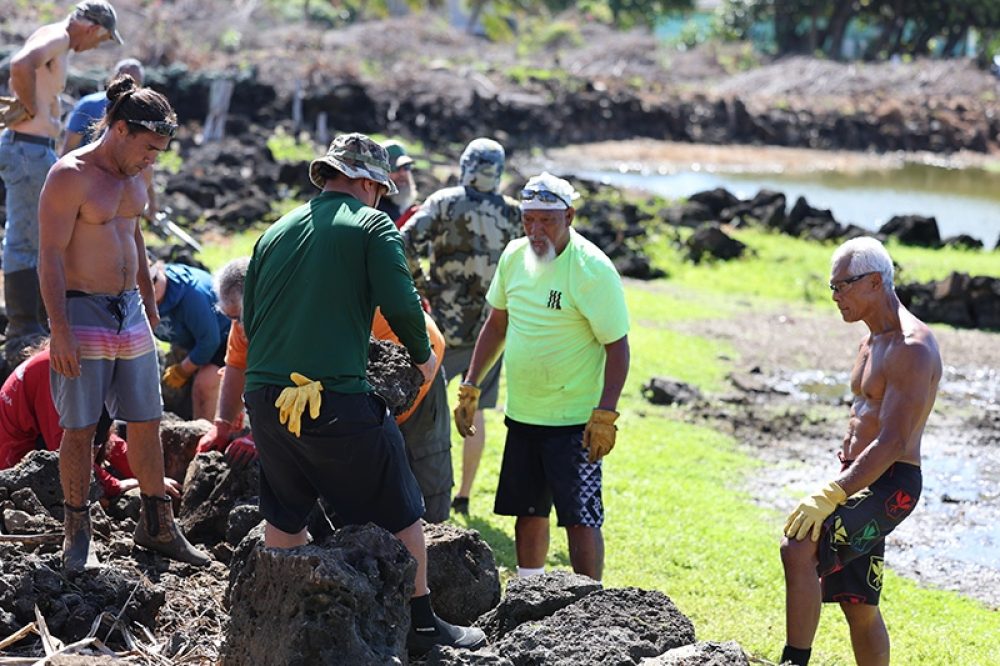
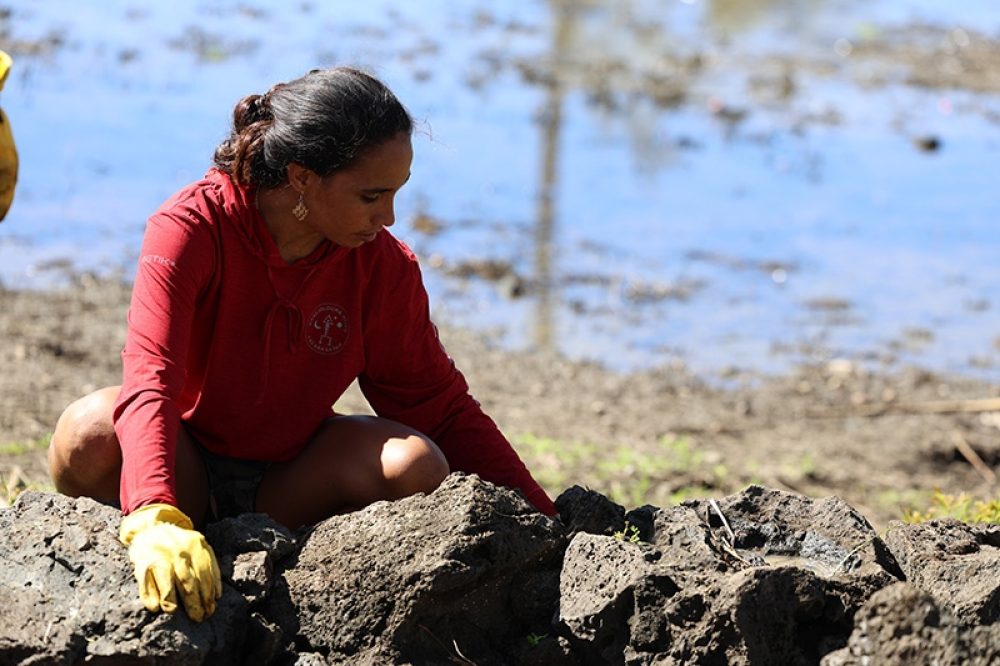
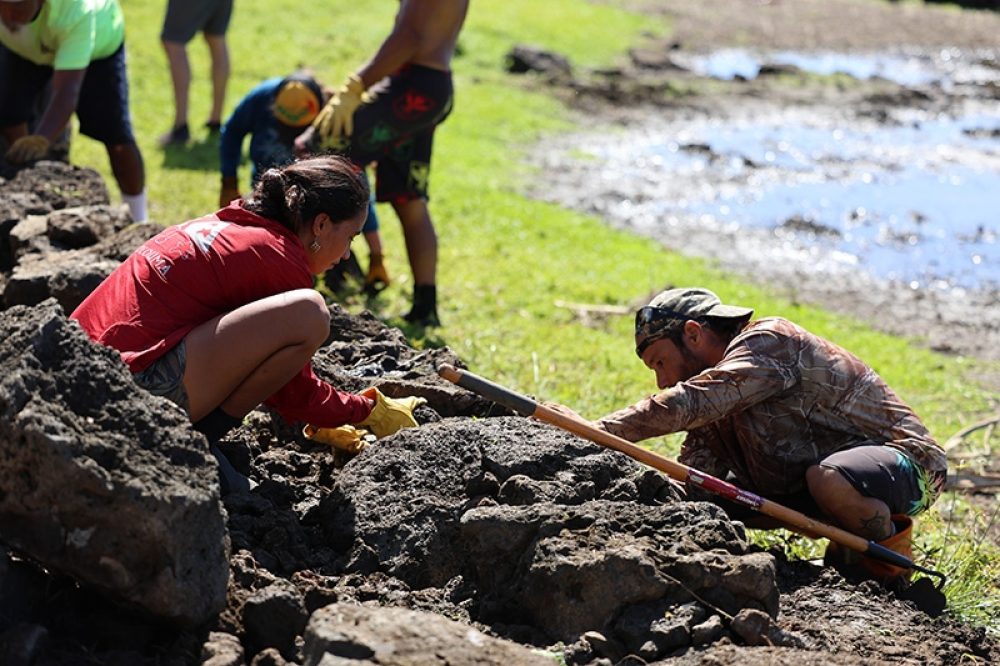
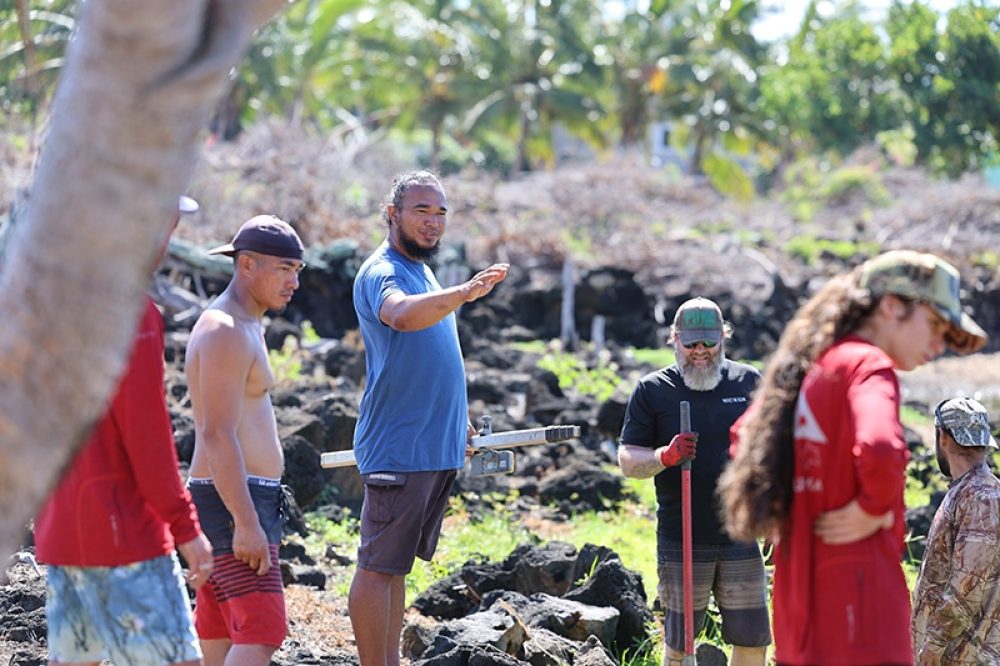
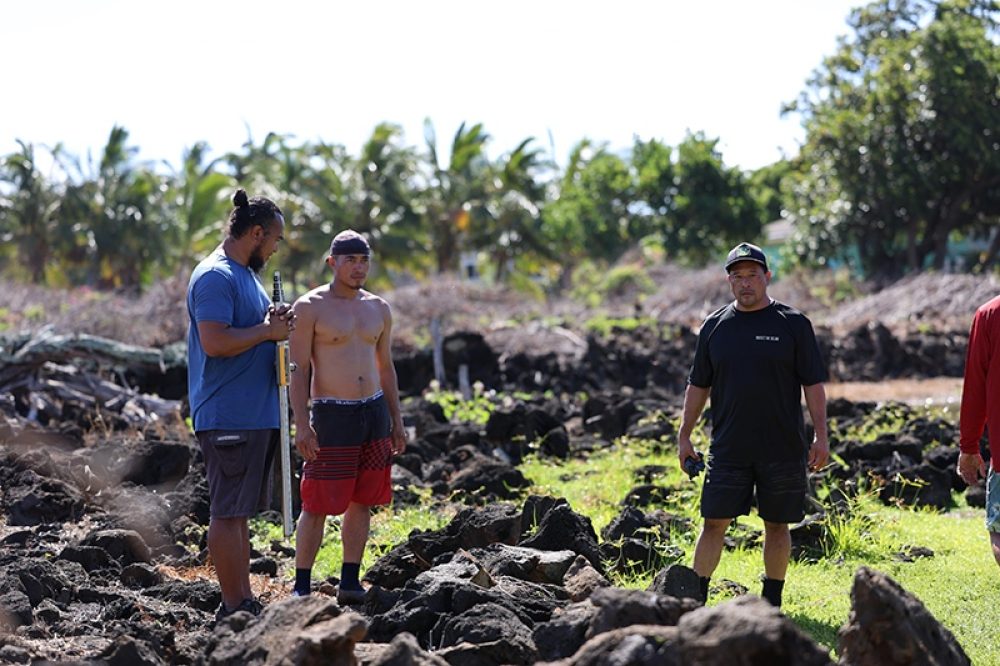
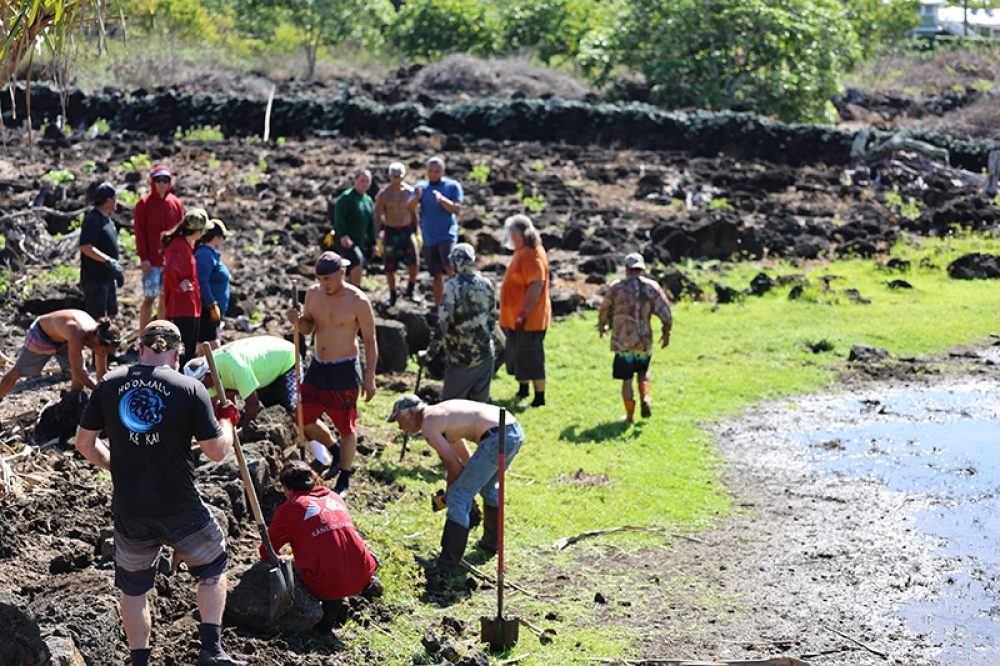
Hoʻomaikaʻi to Kumu Peleke Flores and his crew of Alakaʻi practitioners, whose hands and naʻau carried this work from the first pōhaku to the last. Across eleven training workshops between January 2025 and July 2026, Kumu Peleke led a rotating crew averaging seventeen practitioners per session, opening each day with pule and weaving oli, ʻōlelo noʻeau, and protocol into the stonework itself. In the tradition of the craft, key sections — the first straight wall, the S-curve, the kahua — were deliberately dismantled and rebuilt until they were correct, making the rebuilding itself the deepest form of instruction.
This was a community effort from beginning to end. The restored walls rise in full view of the thousands of residents and visitors who pass the site each day, and volunteers from across the island stood beside the crew throughout the program. Mahalo nui to the Grand Hyatt Kauaʻi Resort & Spa, whose team donated a catered lunch for the crew on the final Sunday training day — a gesture of aloha from our Poʻipū neighbors that fed the workers as the last wall sections went up. The project closed on July 29, 2026, as a hoʻike, with ʻohana gathered to witness the final stones set in place.
To Historic Hawaiʻi Foundation, our deepest mahalo. This project began with the Foundation's own initiative — a 2024 visit to the site and an invitation to apply that opened the door to everything that followed — and its trust in the Hui never wavered. HHF's support seeded more than stone: it built capability, with practitioners now advancing through Alakaʻi leadership training to guide new recruits and community volunteers into the next phases of restoration. It is proof of what committed partners can accomplish at one of Hawaiʻi's most significant cultural sites.
And there is more to come. Guided by Henry Kekahuna's 1959 restoration plan and the Hui's stewardship agreement with the County of Kauaʻi through 2037, the restoration of the village continues — including the Public Cultural Kiʻi Installation supported by the Office of Hawaiian Affairs. "There's more to learn," said Kumu Flores at the project's close. "We got it started. One pōhaku closer to restoration. E kū ana ka paia — the walls shall stand upright." A hui hou, and mahalo for standing with Kāneiolouma.